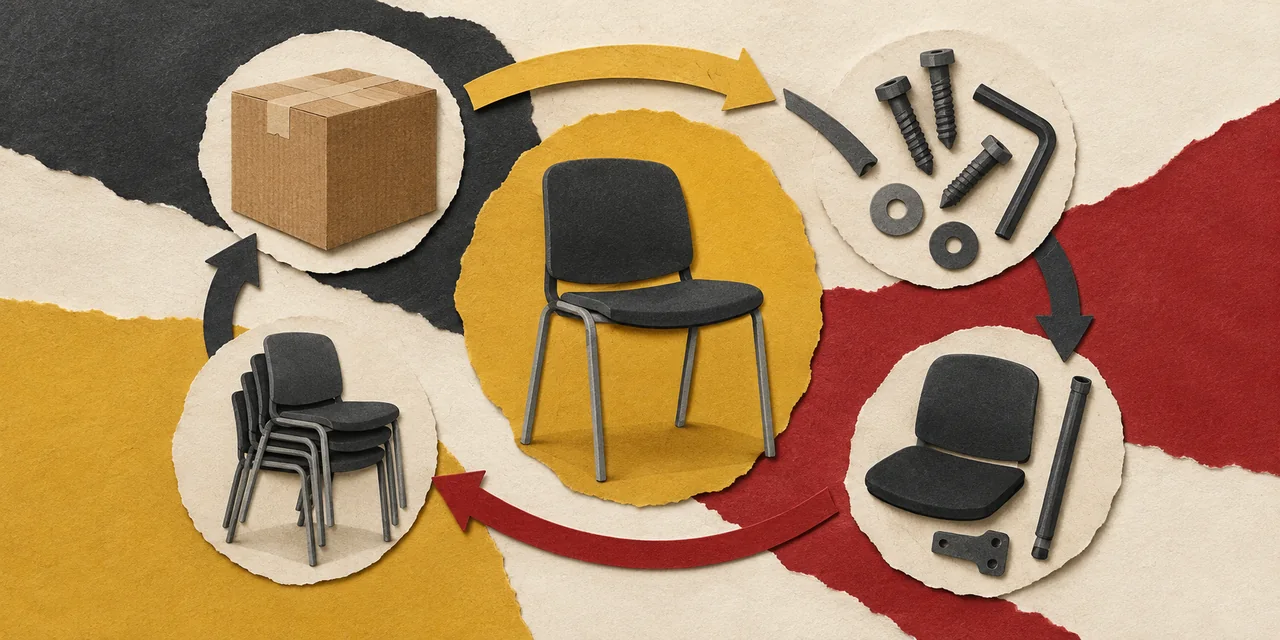
Commercial seating procurement is often treated as simple “price comparison and ordering,” but actual projects reveal that ignoring hidden costs and selection pitfalls can inflate total cost of ownership (TCO) by 30-50%. Here are common issues and response strategies we have compiled.
Mistake #1: Unit Price Focus, Lifecycle Cost Blindness
Typical Case: A company procures 200 office chairs. Option A: ¥800 each, Option B: ¥1200 each. Company chooses Option A, saving ¥80,000.
Subsequent Costs:
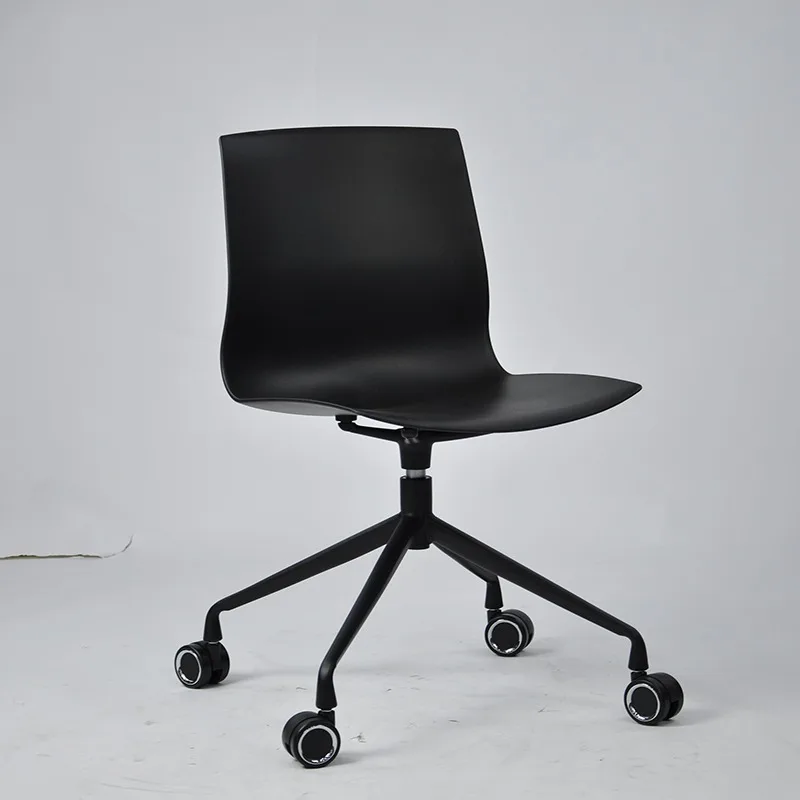
– After 2 years, Option A gas lifts fail en masse, replacement cost ¥150/unit × 200 = ¥30,000
– After 3 years, seat cushions severely sag, employee complaints lead to 60 replacements, cost ¥48,000
– 5-year total cost: ¥160,000 + ¥78,000 = ¥238,000
Option B Actual Cost:
– 5 years requires replacing only 8 units (4% failure rate), cost ¥240,000 + ¥9,600 = ¥249,600
Conclusion: Seemingly 50% more expensive option has 5-year TCO only 4.8% higher, with better employee satisfaction.
Mistake #2: Ignoring Space Compatibility
Common Issues:
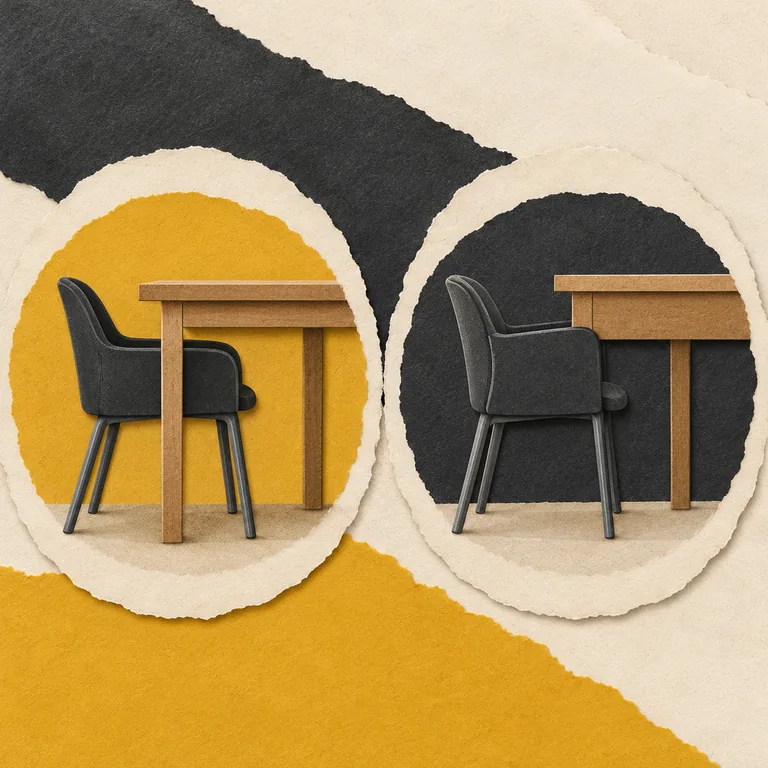
– Armchairs cannot fully slide under desks, occupying aisle space
– High-back chairs obstruct sight lines in open offices
– Casters struggle on carpet, employees frequently stand to move chairs
Solution:
Pre-purchase on-site measurement:
1. Desk height (standard 72-75cm) must match chair armrest height (recommended 60-65cm)
2. Under-desk clearance ≥60cm ensures chair + cushion thickness can slide in
3. Open workstations should use mid-back chairs (backrest ≤50cm), maintaining visual transparency
Mistake #3: Installation and After-Sales Cost Oversight
Hidden Cost Items:
– Shipping and Delivery: Bulk orders must confirm if stair delivery is included (elevator buildings typically free, stairs add ¥5-10/floor/unit)
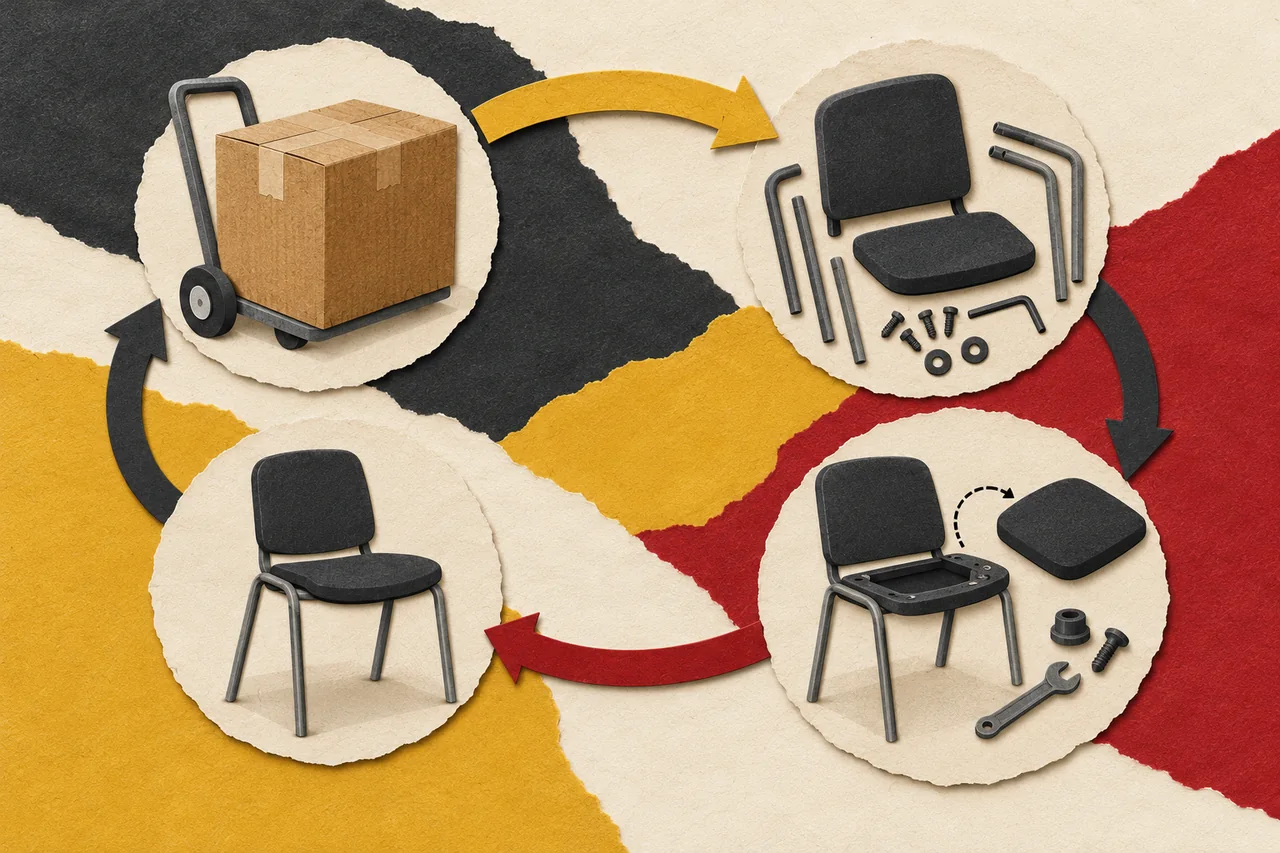
– Installation Time: Unassembled chairs require on-site assembly; 200 chairs need 2 people 1 day (labor cost ¥800-1200)
– Warranty Terms: Some manufacturer warranties only cover free repair; part replacements require additional payment
Recommendation:
Procurement contracts must specify:
– Delivery location (stair delivery included or not)
– Installation service provided
– Warranty scope (part warranty duration, criteria for user damage)
– Parts supply commitment (minimum 5 years replacement parts availability)
Mistake #4: Bulk Purchases Without Spare Inventory
Real Case: A company purchased 150 office chairs at once without spares. Six months later, 2 accidentally damaged; supplier had discontinued that model, forcing purchase of different style, creating mismatched office seating.
Recommended Strategy:
– Under 50 units: reserve 5-8% spare
– 50-200 units: reserve 8-10% spare
– Over 200 units: reserve 10-15% spare
Spare chair storage precautions:
– Avoid direct sunlight (mesh/fabric fades)
– Keep dry (metal parts rust)
– Periodically inflate gas lifts (disuse causes leakage)
Mistake #5: Ergonomic Compatibility Neglect
Common Problem:
Purchasing uniform-spec chairs ignores employee height variation (150cm and 185cm employees have entirely different chair needs).
Solution:
– 150-165cm employees: seat height 38-42cm, add footrest
– 165-180cm employees: seat height 42-46cm (standard configuration)
– 180-195cm employees: seat height 46-50cm, deeper seat (seat depth ≥45cm)
Large enterprises should procure 2-3 chair specifications, allocated by employee height. One tech company implementing this strategy reduced employee back pain complaints by 40%.
Proper Procurement Process
1. Requirements Survey (1-2 weeks)
– Catalog use scenarios (workstation/conference/reception)
– Record existing chair issues (employee feedback)
– Measure space dimensions
2. Sample Testing (2-4 weeks)
– Request 3-5 brand samples
– Invite various-height employees to test sit (minimum 2 hours each)
– Test caster performance on actual flooring
– Check material stain resistance (deliberately spill water/coffee test)
3. TCO Calculation
– Purchase price + shipping/installation + 5-year projected maintenance costs
– Compare at least 3 supplier proposals
4. Small-Batch Pilot (optional, recommended for large orders)
– First purchase 10-20 units for 1-2 month trial
– Collect employee feedback before bulk purchase
5. Contract Signing
– Clarify warranty terms
– Agree on parts supply duration
– Reserve 10% spare purchase rights (price lock)
Procurement is not the endpoint but the starting point of seating lifecycle management. Rational selection and procurement strategies can reduce TCO by 20-30% while significantly improving user experience.