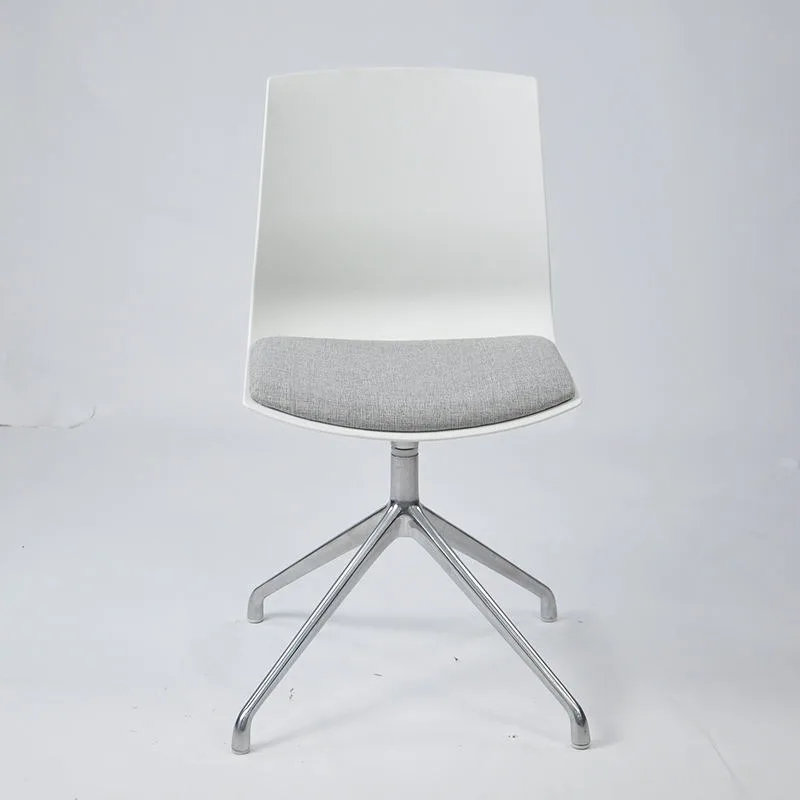
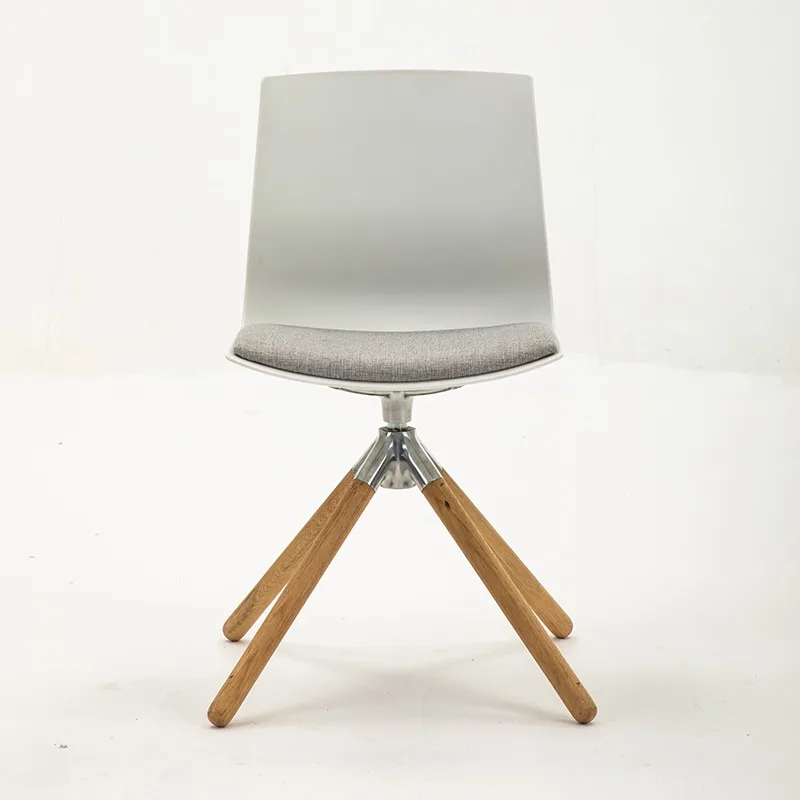
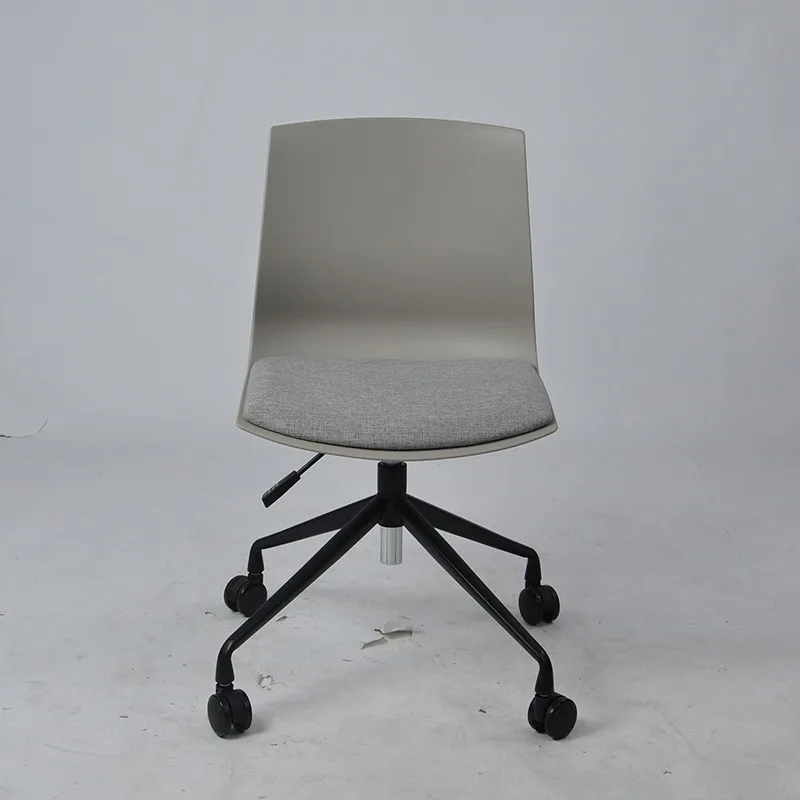
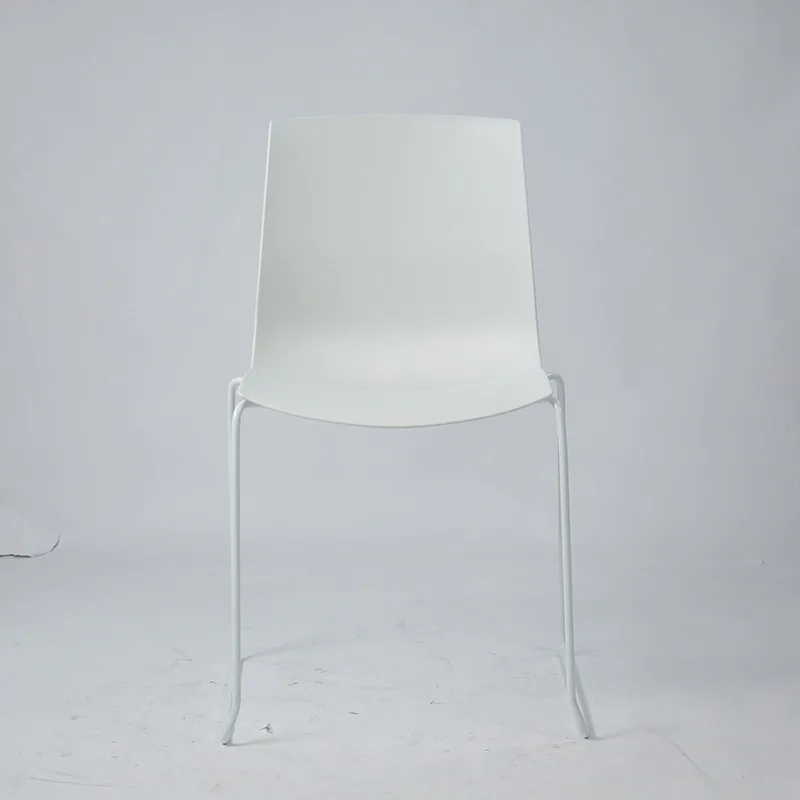
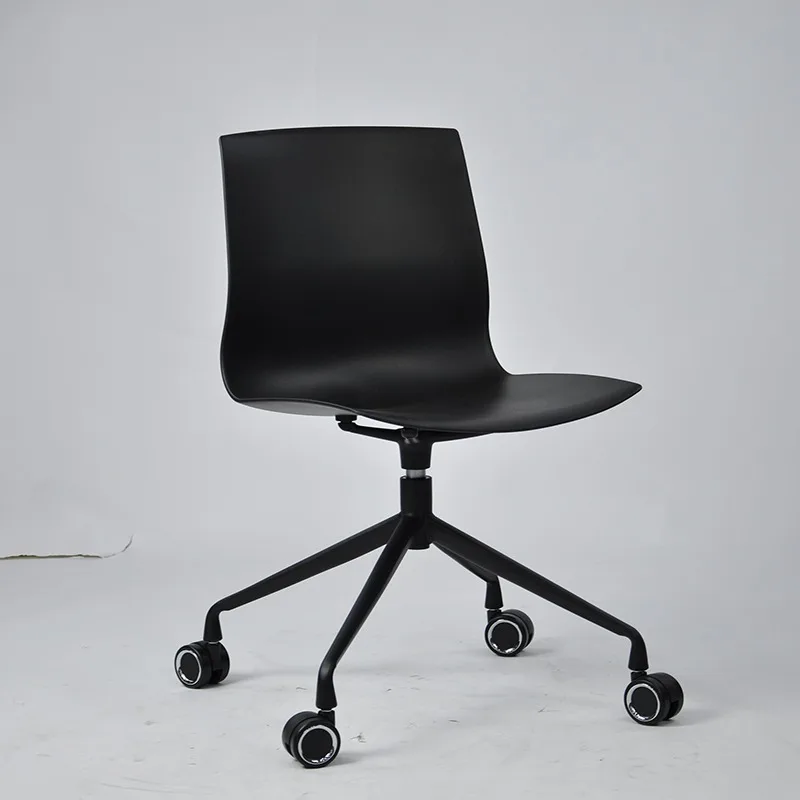
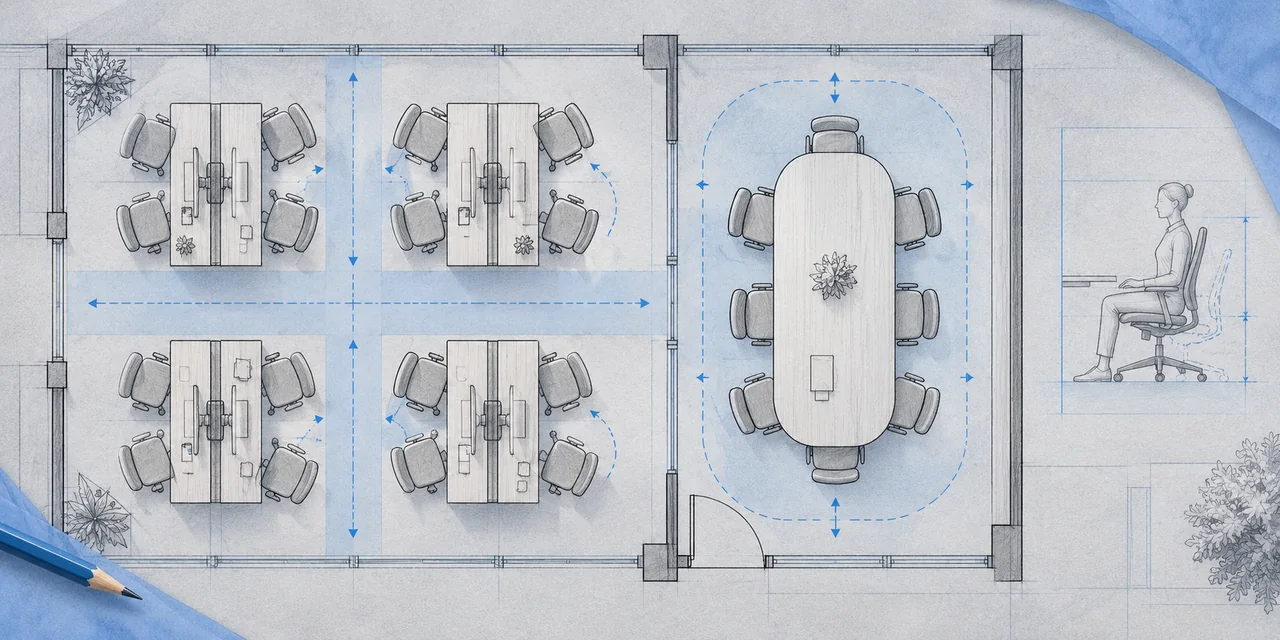
Seating configuration in modern office spaces goes beyond employee comfort—it directly impacts productivity and company image. Drawing from years of commercial project experience, here are the core principles for strategic seating selection.
Three Critical Factors for Workstation Chairs
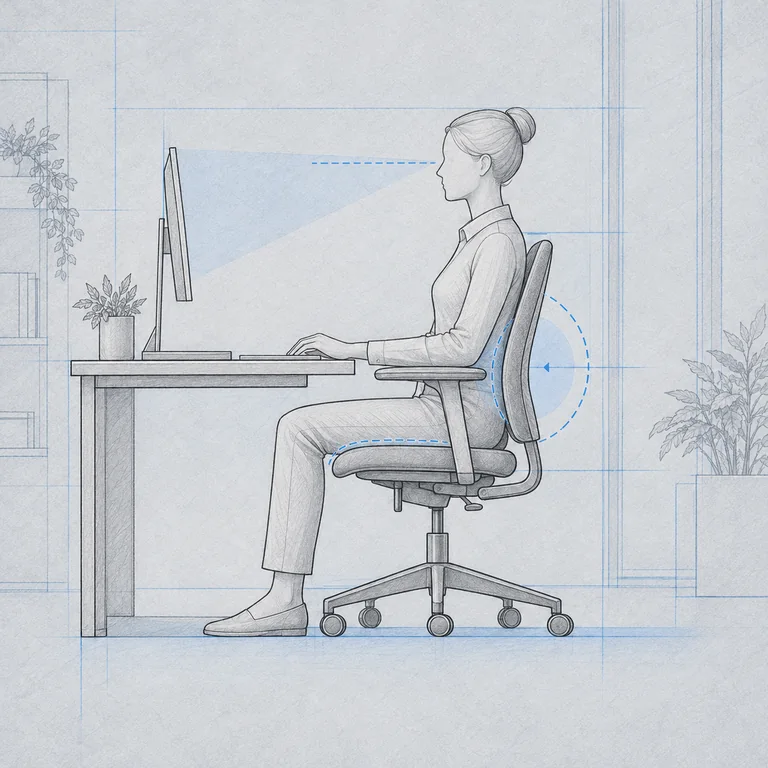
1. Lumbar Support System
Lumbar support height should be adjustable within 18-23cm to properly maintain the natural lordotic curve of the spine. Seat depth of 38-43cm prevents compression of thigh blood vessels. Our testing shows that chairs with independent lumbar adjustment can extend continuous working sessions by 40%.
2. Material and Breathability
Mesh chairs suit high-humidity environments in southern regions, though northern offices may require additional warmth in winter. Leather or synthetic upholstery is easier to clean and better suited for high-frequency use. Our AH-8500 series features breathable polyester mesh combined with aluminum frames, balancing ventilation with structural integrity.
3. Casters and Base Compatibility
Hard flooring (tile, wood) requires soft polyurethane casters, while carpeted areas need hard nylon wheels. Five-star base diameter should be at least 65cm for stability. Heavy-duty scenarios (users over 100kg or continuous use exceeding 8 hours) benefit from reinforced steel bases.
Meeting Room Seating Density Planning
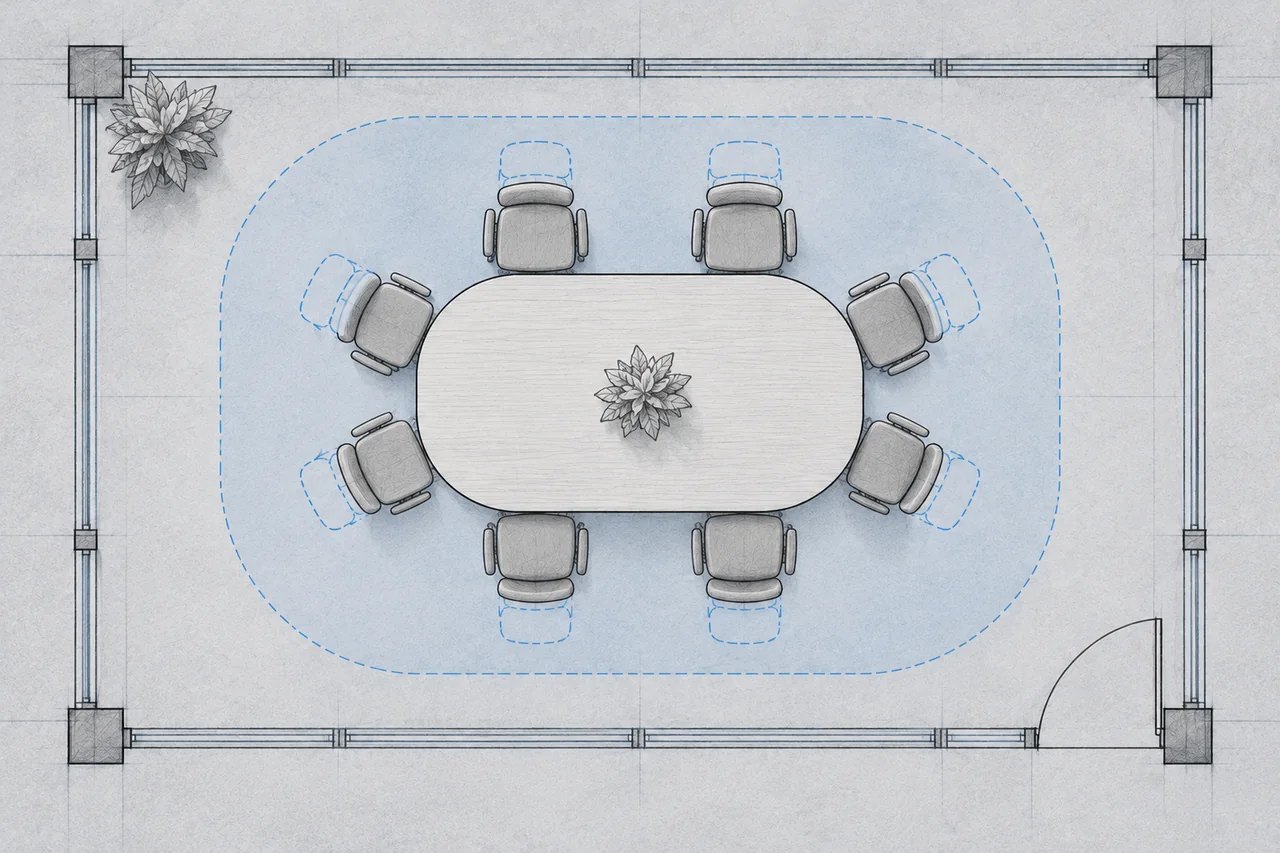
Standard 6-8 person conference tables (180×90cm) require 75-85cm spacing between chairs to ensure comfortable seating without blocking access. Large meeting rooms (over 20 people) benefit from armless designs, saving 15-20cm lateral space and increasing capacity.
We configured a 500 sqm tech company office with 80 workstation chairs plus 24 conference chairs. Through strategic planning, actual capacity increased 18% over the original plan while per-person circulation space improved by 12%.
Maintenance Cycles and Cost Control
Commercial-grade chairs have a standard lifespan of 5-8 years, contingent on:
– Gas lift inspection every 3 years; replace immediately if sinking occurs (safety hazard)
– Caster cleaning every 6 months to remove hair and debris; replace individually when worn
– Mesh upholstery vacuuming quarterly to prevent dust accumulation affecting breathability
Bulk purchases should include 5-8% spare chairs to handle unexpected damage, avoiding small-batch procurement cost premiums (typically 30-40% higher).